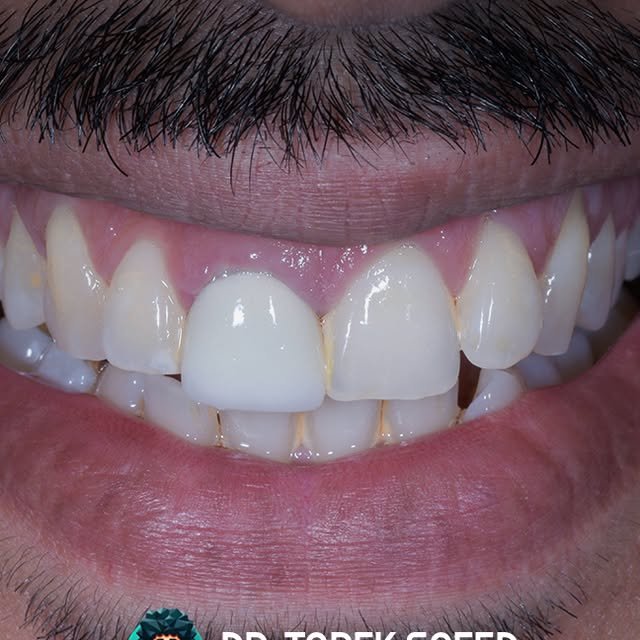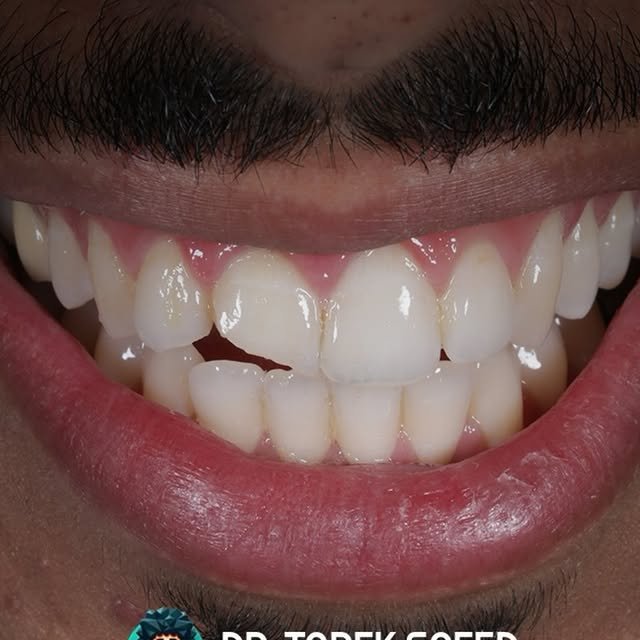
Why Might Your Dentist Tell You to Stop Trying to Fix Your Teeth?
From repairing and restoring damaged teeth to full-mouth rehabilitation when conventional treatment is no longer enough
It may start with something small: a chipped tooth, an old filling that is no longer holding up, or a tooth that has gradually lost part of its structure. In many cases, the solution is straightforward—repair the damaged area or replace it with a new restoration. But when the same problem keeps coming back, or damage has affected several teeth, the situation changes. The goal is no longer simply to fix a tooth; it is to restore the teeth’s structure and function while maintaining comfort and a stable bite.
That is where restorative dentistry comes in. Restorative treatment is not simply about placing a filling or a crown. It is about choosing the right approach and the right material for each individual case—from tooth-colored fillings and partial ceramic restorations to crowns and fracture repair. In more complex cases, treatment may need to go further and involve full-mouth rehabilitation.
From repairing the damage to understanding why it happened
Before choosing a restoration, the first step is understanding what happened to the tooth in the first place. Take severe tooth wear, for example. The problem may not be limited to the visible shape of the teeth. The bite, the space between the jaws, or habits such as clenching and grinding may all be part of the picture. That is why good restorative treatment begins with looking at the mouth as a whole rather than treating every tooth in isolation.
When tooth wear is advanced, the dentist may assess functional risks, examine the jaw joint and bite, and determine how complex the case is and whether treatment may require input from more than one dental specialty before restorations are placed. The appropriate vertical dimension between the jaws can also be planned using measurements that take into account the smile, tooth display, and available space.
This matters because a restoration should not simply look good—it needs to function naturally too. The more complex the case, the more important treatment planning becomes.
Choosing the right material is part of the treatment
Once the teeth have been assessed, another question comes into focus: which material is right for the job? Fillings and crowns are not all the same, and the choice depends on factors such as the location of the tooth, how much structure has been lost, the forces the restoration will need to withstand, and the result the patient is looking for.
Lithium disilicate is one of the materials used in modern restorative dentistry. It can be used for partial as well as full restorations and combines good mechanical performance with a natural-looking appearance, making it useful when both function and aesthetics matter.
For teeth that require crowns, different materials have also been studied for their longevity and resistance to fracture and complications over time. The research reviewed in the original material reports high survival rates for lithium disilicate restorations, particularly monolithic designs, while zirconia and porcelain-fused-to-metal restorations have also shown high success rates.
The important point is not that one material is right for every patient. The design of the restoration, how it is made, and how well the material matches the needs of the individual case all contribute to the final result.
What if the tooth has fractured?
Not every fractured tooth automatically needs a new crown. When the damage is limited, it may be possible to repair the tooth while preserving as much of its healthy structure as possible. The same principle can apply to composite fillings: if a filling has a small fracture or partial damage, repairing the affected area may be a sensible alternative to removing the entire filling.
The research reviewed in the original material suggests that repaired composite restorations can perform similarly to completely replaced restorations when the repair is carried out correctly. The success of the repair also depends on proper surface preparation and the use of appropriate bonding materials to create a strong connection between the old and new material.
That does not mean repair is always the right choice. The decision depends on the extent of the damage, the condition of the tooth and the existing restoration, and whether both can be preserved safely over the long term. The aim is to save as much healthy tooth structure as possible whenever the situation allows.
Not all fillings are the same
Even when it comes to fillings, there is more than one option. These include conventional tooth-colored composite fillings, bulk-fill materials, ormocer-based materials, and glass ionomer cements. Each has different properties and indications.
Conventional composite fillings have shown good long-term performance, while bulk-fill materials have produced good short- and medium-term results, although long-term data remain more limited. Glass ionomer cements may have a shorter lifespan in some situations, but they remain useful in selected cases, particularly for patients at higher risk of decay or areas where moisture control is difficult.
Across all of these options, one factor matters just as much as the material itself: how it is placed. Proper preparation, bonding technique, and material selection can have a major effect on the longevity and success of a restoration.
When the problem is bigger than one filling or one crown
Sometimes the damage is not limited to a single tooth. Severe tooth wear, for example, can change the shape and length of the teeth and affect the space between the jaws and the way the teeth come together. At that point, a broader rehabilitation plan may be needed, with the goal of rebuilding the teeth while restoring both function and appearance.
Treatment in these cases may involve several carefully sequenced steps, such as root canal treatment when needed, gum contouring, tooth preparation, and restoring the appropriate vertical dimension between the jaws. Digital technology can help plan these steps before treatment begins through digital scanning, smile design, and analysis of the dimensions of the teeth and jaws.
At the end of treatment, digital occlusal analysis can be used to assess and adjust the contact points between the upper and lower teeth. The goal is to distribute chewing forces more evenly and create a bite that feels stable and comfortable.
The result is about more than how the teeth look
When teeth are severely damaged, the effects can go beyond appearance. Advanced tooth wear may be associated with sensitivity, pain, and difficulty chewing, and it can affect a patient’s ability to eat comfortably. That is why the success of rehabilitation should not be judged by the appearance of the smile alone, but also by how comfortably and confidently the patient can use their teeth again.
So when is it time to intervene?
The decision to begin restorative treatment is not based on a single measurement or on the appearance of the teeth alone. What matters is the extent of the damage, how it is affecting the patient’s daily life, and what can realistically be achieved with treatment.
Treatment planning should therefore be a shared decision between the dentist and the patient. The expected benefits, alternatives, costs, and likely outcomes should all be discussed. The timing of treatment should also be based on the patient’s actual needs and the available evidence—without intervening unnecessarily early, but also without waiting until the damage becomes more difficult to manage.
In the end, good restoration starts with the diagnosis
A filling or crown may look like a small part of the final treatment, but a successful restoration begins much earlier: by understanding the cause of the damage, assessing the tooth and the bite, choosing the right material, and carrying out the restoration correctly.
In straightforward cases, a limited repair may be all that is needed. When the damage is more extensive or keeps recurring, however, the teeth may need a more comprehensive restorative plan. And when severe wear or widespread damage has changed the way the teeth function together, full-mouth rehabilitation may become the more appropriate approach.
There is a difference between repairing a damaged tooth and repeatedly trying to repair teeth that have already lost a significant amount of their structure. In the first situation, a simple restoration may be enough. In the second, continuing with the same approach may simply postpone the need for a different treatment plan.
So when your dentist starts talking about a larger restoration or rehabilitation instead of another filling repair, it does not necessarily mean that your teeth can no longer be treated. It may simply mean that the usual repair is no longer the right solution. The goal is to preserve as much healthy tooth structure as possible, choose the restoration that fits the situation, and create a result that your teeth can rely on for years to come.